欧美成人精品高清在线播放-天干夜天天夜天干天2004年-精品国产av色一区二区深夜久久-色成人精品免费视频-成在人线av无码免费高潮水

A dust removal device designed to treat gas containing trace dust and fine particles-Inquiries are welcome.+86-18633235200
Location: Home > News
News

+86-18633235200

E-Mail: weimeihuanbao@163.com
Add: Wu‘an Industrial Park, Handan City, Hebei Province,China
Assembly Forms of Anode Tubes for WE...
View Count:     2024-02-26

The anode module of a wet electrostatic precipitator is a fundamental component of large-scale dust removal equipment. It is mainly designed to remove harmful substances such as dust, acid mist, water droplets, aerosols, tar and PM2.5 from humid gas streams. It is applied to the advanced purification of wet flue gas in industries including coal-fired power generation, metallurgy, boiler operation, chemical engineering, waste incineration, building materials, cement production and glass manufacturing, so as to achieve clean emission standards.

The following lists the assembly forms of anode tubes for wet electrostatic precipitators:

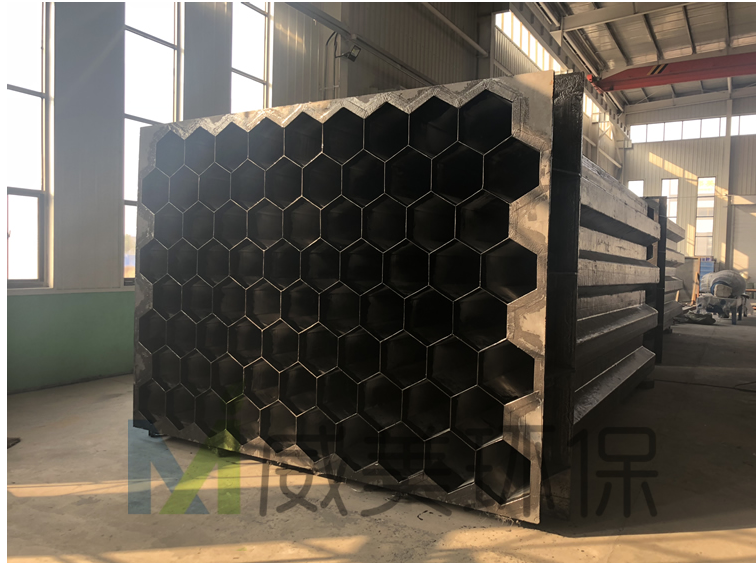
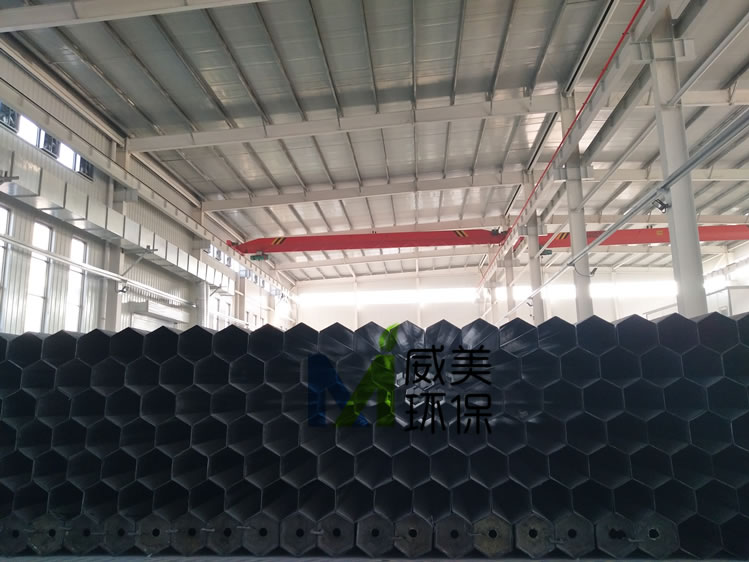
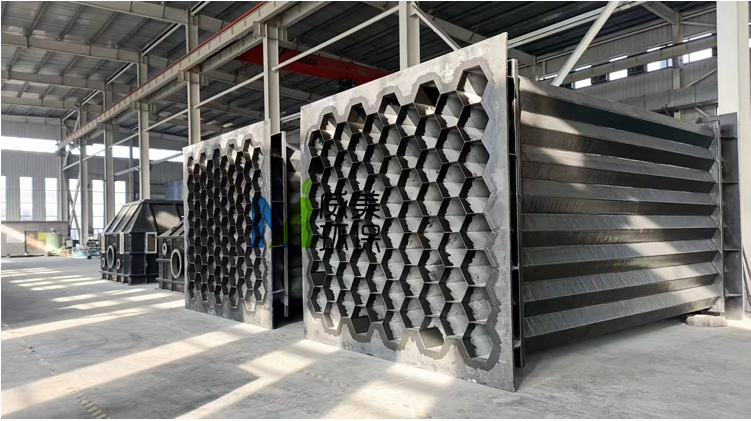
Unassembled anode tubes for wet electrostatic precipitators

Unassembled anode tubes for wet electrostatic precipitators

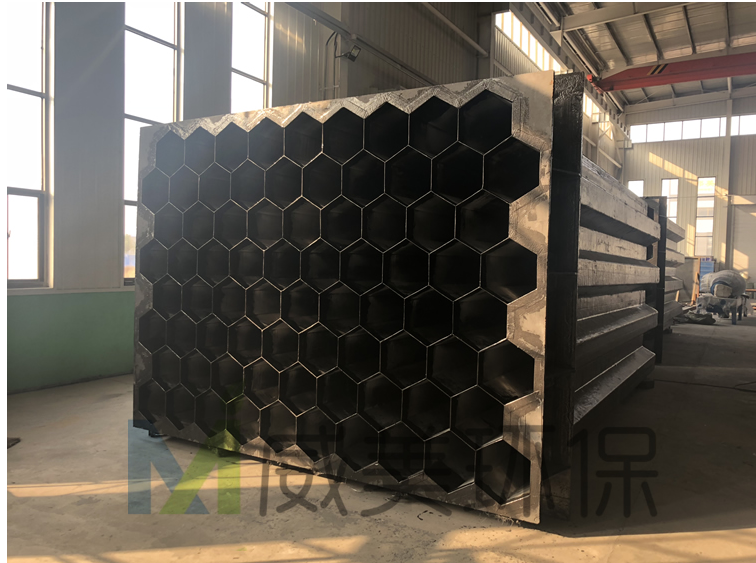
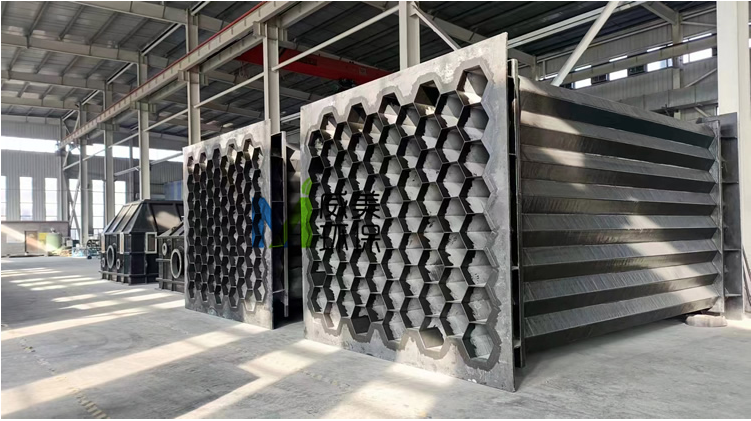
Square-assembled anode modules for wet electrostatic precipitators

Square-assembled anode modules for wet electrostatic precipitators

Square-assembled anode modules for wet electrostatic precipitators

Square-assembled anode modules for wet electrostatic precipitators

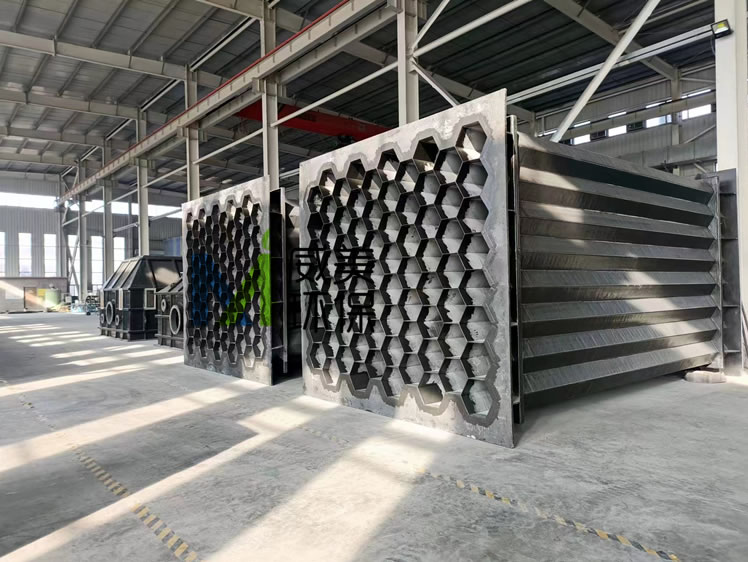
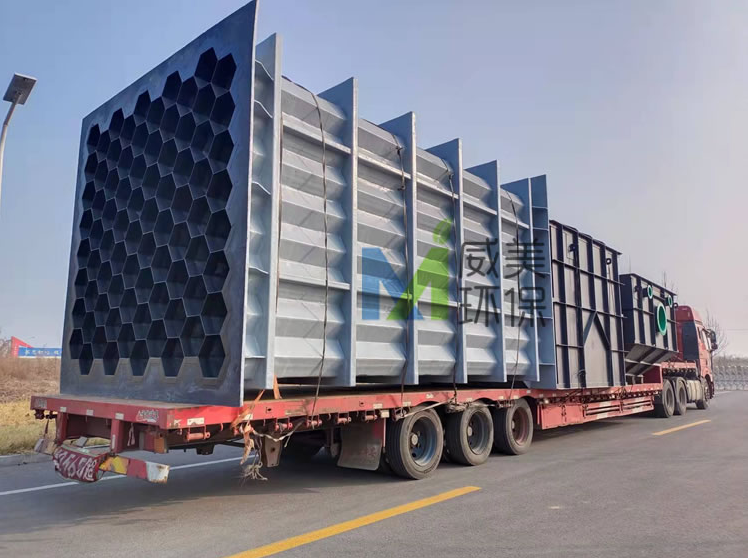
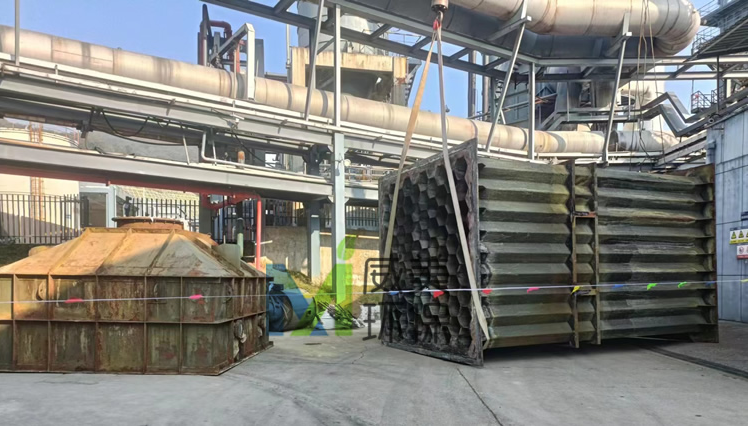
Split square anode tube bundles (divided into two halves for convenient transportation and spliced together during installation)

Split square anode tube bundles (divided into two halves for convenient transportation and spliced together during installation)

Anode modules for wet electrostatic precipitators with exterior anti-UV gel coat

Anode modules for wet electrostatic precipitators with exterior anti-UV gel coat

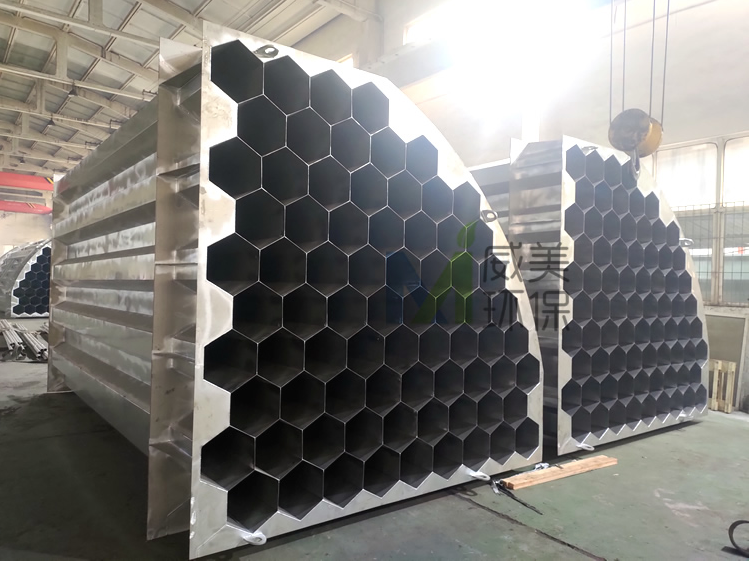
Semicircular stainless steel anode modules for wet electrostatic precipitators

Semicircular stainless steel anode modules for wet electrostatic precipitators

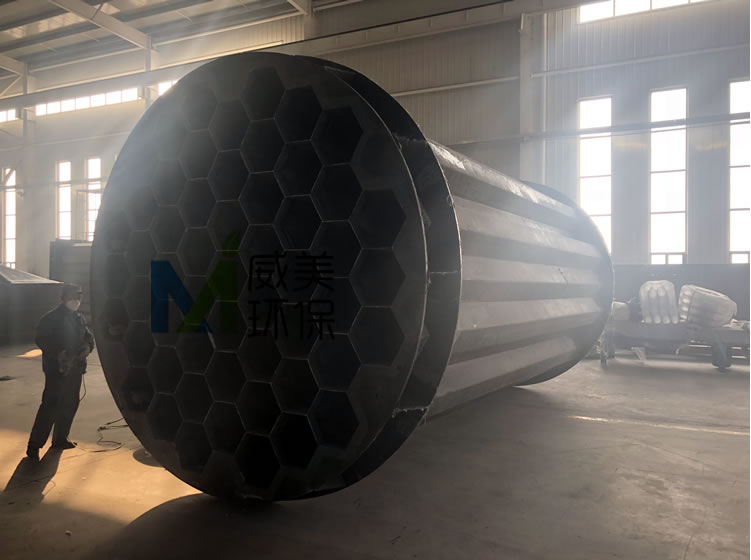
Circular anode modules for wet electrostatic precipitators

Circular anode modules for wet electrostatic precipitators

Wet Electrostatic Precipitator for M...
View Count:     2024-01-27

Two sets of wet electrostatic precipitators, designed for treating the mixed flue gas of dichloroisocyanuric acid and trichloroisocyanuric acid with a gas handling capacity of 20,000 m³/h, have been fully assembled and are awaiting for delivery.

Anode Tubes and Shells of Wet Electrostatic Precipitator for Cyanuric Acid Flue Gas

Anode Tubes and Shells of Wet Electrostatic Precipitator for Cyanuric Acid Flue Gas

Wet Electrostatic Precipitator for Cyanuric Acid Flue Gas Ready for Shipment

Wet Electrostatic Precipitator for Cyanuric Acid Flue Gas Ready for delivery

Technical Requirements for Anode Tub...
View Count:     2024-01-12

The anode tubes of wet electrostatic precipitators are generally made of conductive FRP (fiberglass reinforced plastic) with a wall thickness of ≥ 3mm. The resin adopted is vinyl flame-retardant resin, and the inner surface shall be smooth and easy to clean. The resistance of each anode tube shall be < 100Ω.

The cathode wires can be made of 2205 duplex stainless steel, lead-antimony alloy or titanium. It is required that the wet electrostatic precipitator must be designed with earthing, and the earthing resistance shall be < 2Ω.

Conductive FRP Anode Tubes

Conductive FRP Anode Tubes

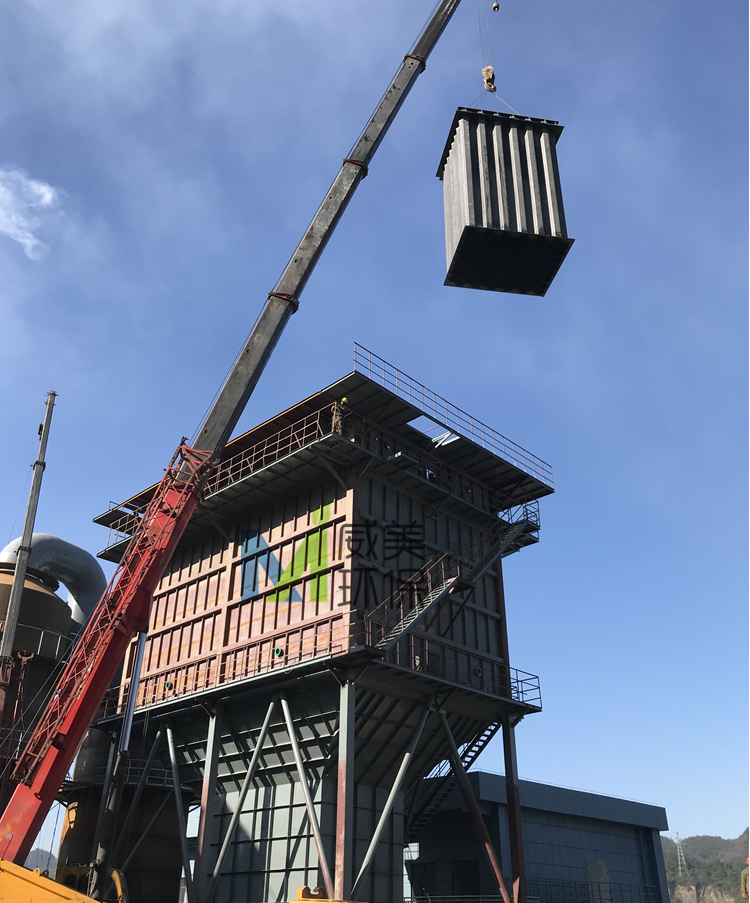
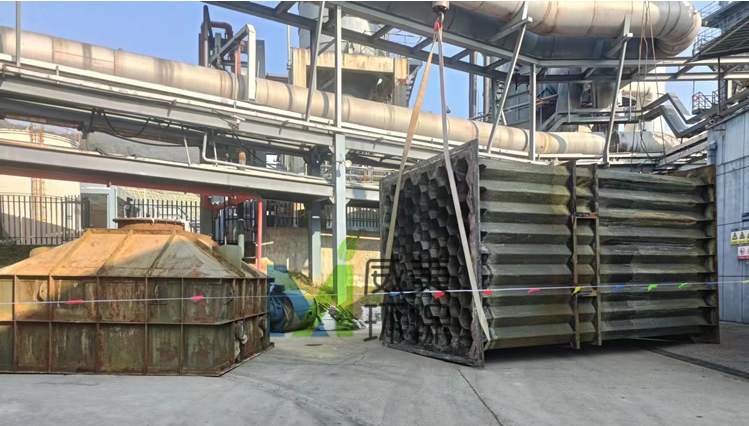
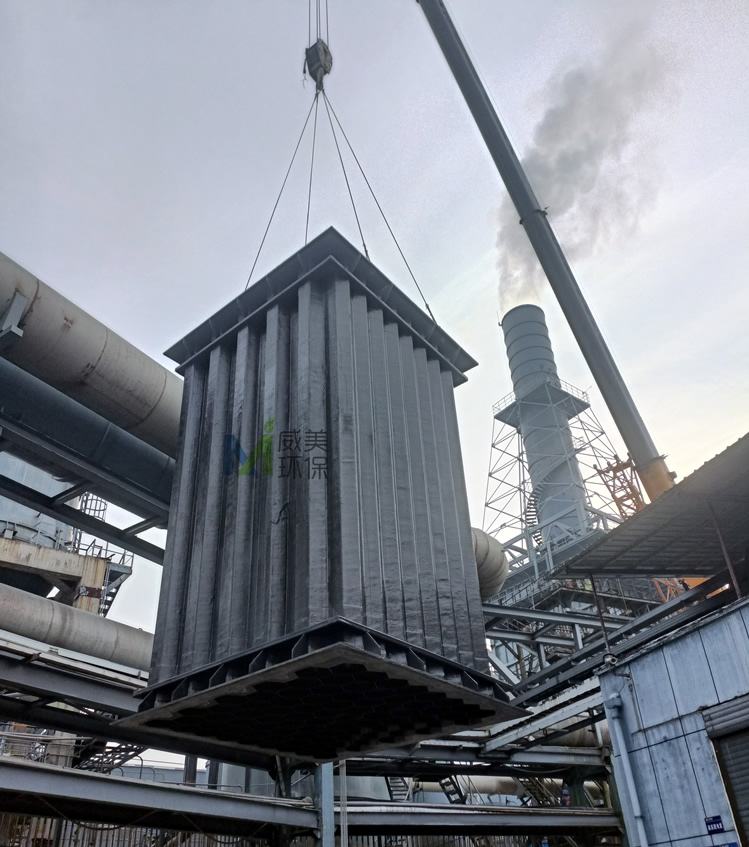
Hoisting of FRP Anode Modules

Hoisting of FRP Anode Modules

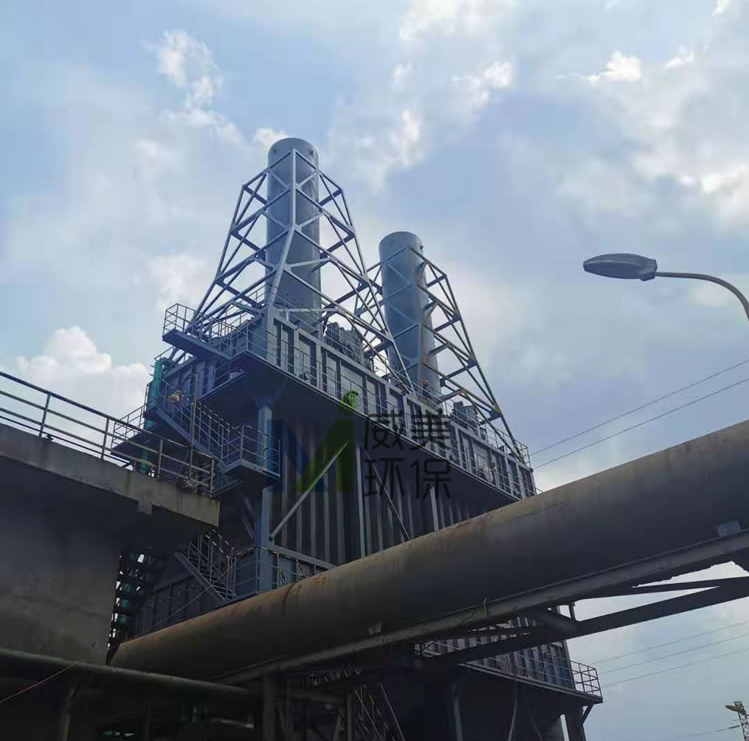
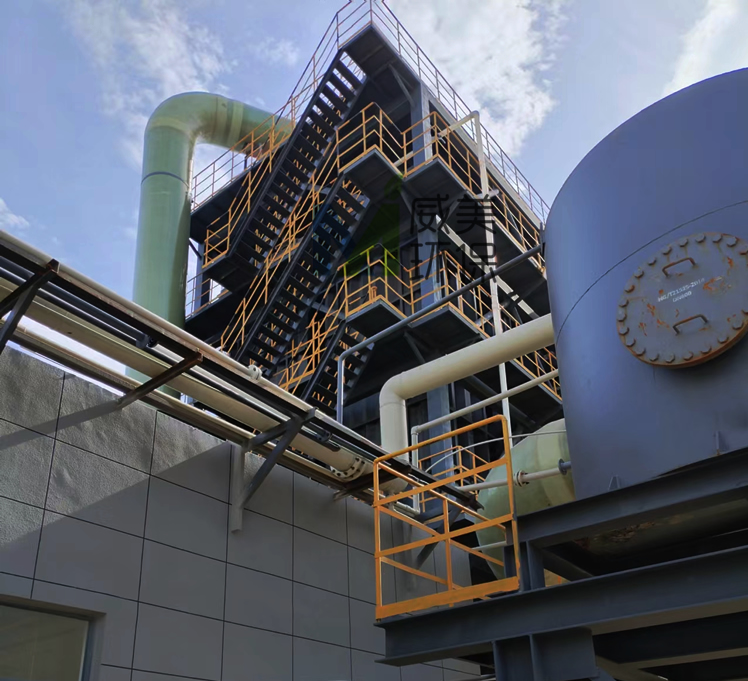
Wet Electrostatic Precipitators in Operation

Wet Electrostatic Precipitators in Operation

Process Requirements for Steel Shell...
View Count:     2024-01-08

There are generally three material options for the shell of a wet electrostatic precipitator: carbon steel lined with anti-corrosive glass flake, glass fiber reinforced plastic (FRP), and stainless steel. The following are the process requirements for the carbon steel shell.

The upper air chamber, lower air chamber and ash hopper of the wet electrostatic precipitator shell shall be welded with Q235 steel plates of not less than 5mm thickness to ensure the airtightness of the equipment and prevent leakage. Flanges shall be equipped at the inlet and outlet, and the external surface shall be integrally reinforced with section steel.

Example of Glass Flake Anti-corrosion for Internal Surface of Steel Shell

Example of Glass Flake Anti-corrosion for Internal Surface of Steel Shell

Anti-corrosion Requirements

  1. Derusting Treatment: The surface shall reach the St2.0 standard (no visible grease and dirt, and no loosely attached mill scale, rust, paint coatings and other attachments on the surface).
  2. Primer: Two coats of epoxy iron oxide red primer, with a thickness of 35μm per coat.
  3. Topcoat: Two coats of acrylic polyurethane topcoat, with a thickness of 35μm per coat.
  4. Internal Surface Treatment: The internal surface shall be sandblasted to remove rust and surface oil stains for enhancing adhesion, and then manually coated with glass flake with a thickness of not less than 3mm. The glass flake mortar for metal structures shall be the product of the designated manufacturer.

Wet Electrostatic Precipitator with Steel Shell

Wet Electrostatic Precipitator with Steel Shell

Maintenance Cases of Wet Electrostat...
View Count:     2024-01-08

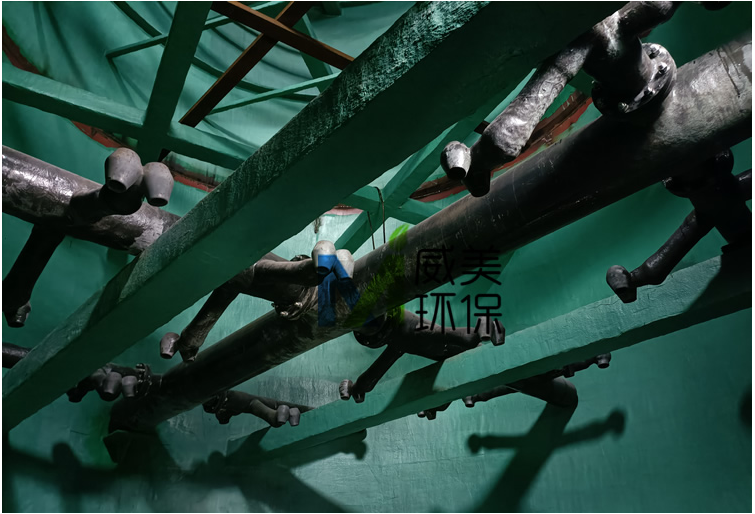
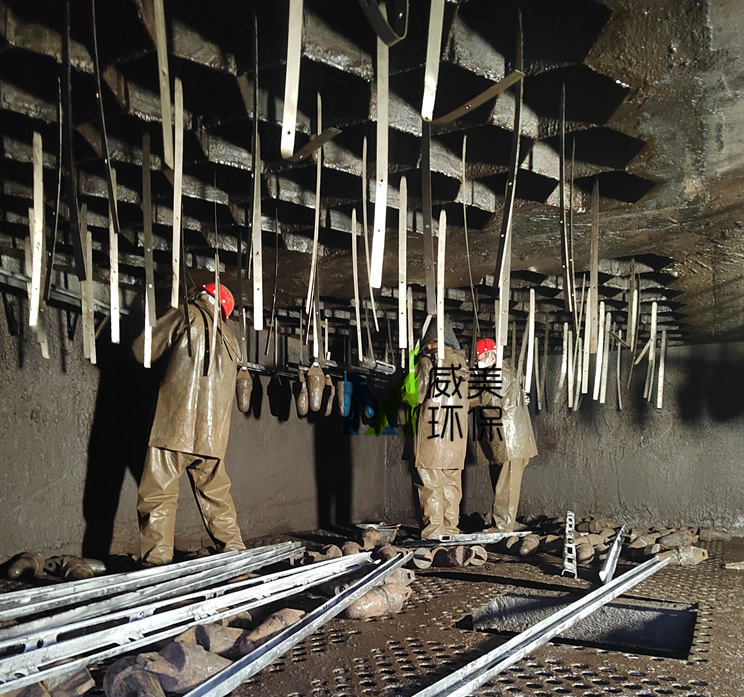
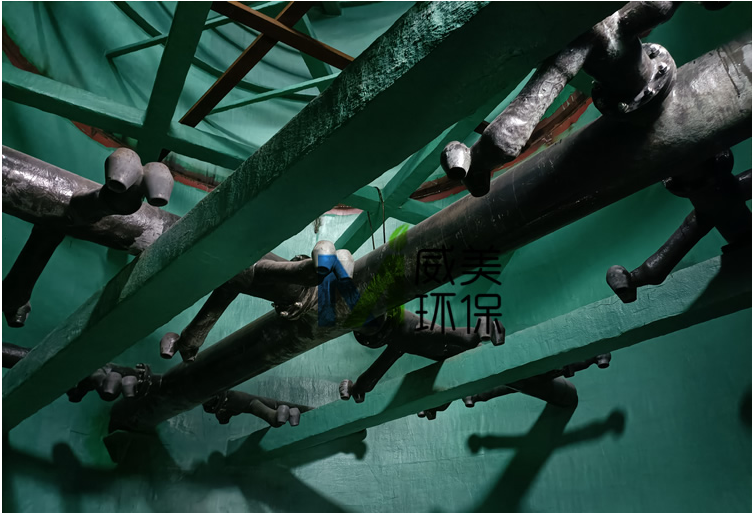
The wet electrostatic precipitator for flue gas treatment in a brick factory has been in operation for five years, with a decrease in dust removal efficiency. Inspection revealed that the causes were related to the discharge voltage of the electrode wires, electric field strength, and spraying of the wet electrostatic demister. Therefore, the titanium electrode wires, anti-sway frames, and nozzles were replaced.

On-site Replacement of Titanium Electrode Wires and Anti-sway Frames of Wet Electrostatic Demister for Flue Gas Treatment in a Brick Factory; Dust and Dirt Inside Are Clearly Visible

On-site Replacement of Titanium Electrode Wires and Anti-sway Frames of Wet Electrostatic Demister for Flue Gas Treatment in a Brick Factory; Dust and Dirt Inside Are Clearly Visible

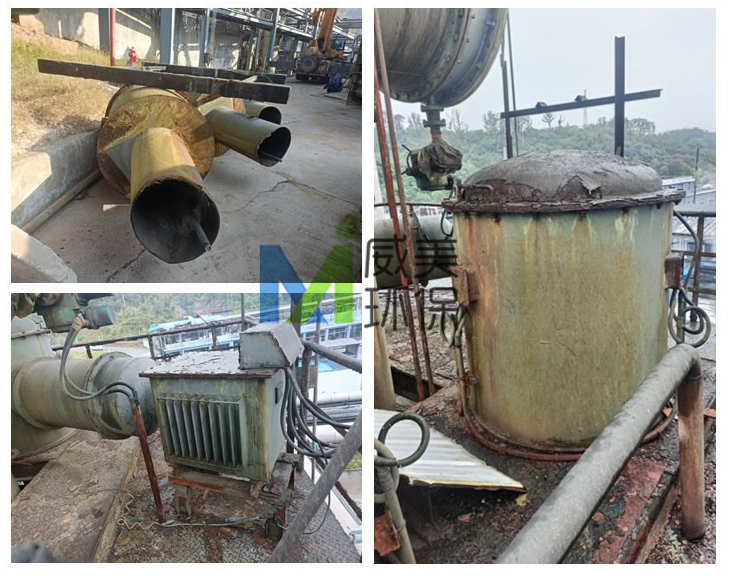
 The flue gas treated by the wet electrostatic precipitator in the phosphating chemical industry is desulfurized flue gas mixed with water vapor. The flue gas contains highly corrosive media such as sulfur, phosphorus, arsenic, and fluorine, and the operating temperature is below 90 degrees Celsius.

The Removed Girders and Insulation Boxes of the Wet Electrostatic Precipitator with Severe Corrosion

The Removed Girders and Insulation Boxes of the Wet Electrostatic Precipitator with Severe Corrosion

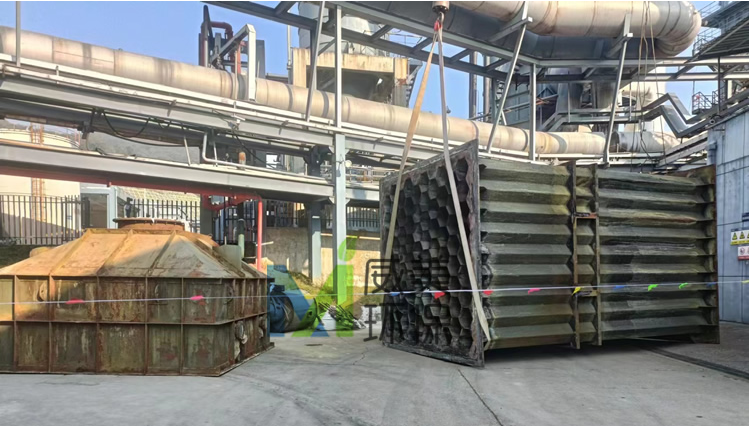
The Removed Anode System and Air Chamber of the Wet Electrostatic Precipitator with Corrosion of Varying Degrees

The Removed Anode System and Air Chamber of the Wet Electrostatic Precipitator with Corrosion of Varying Degrees

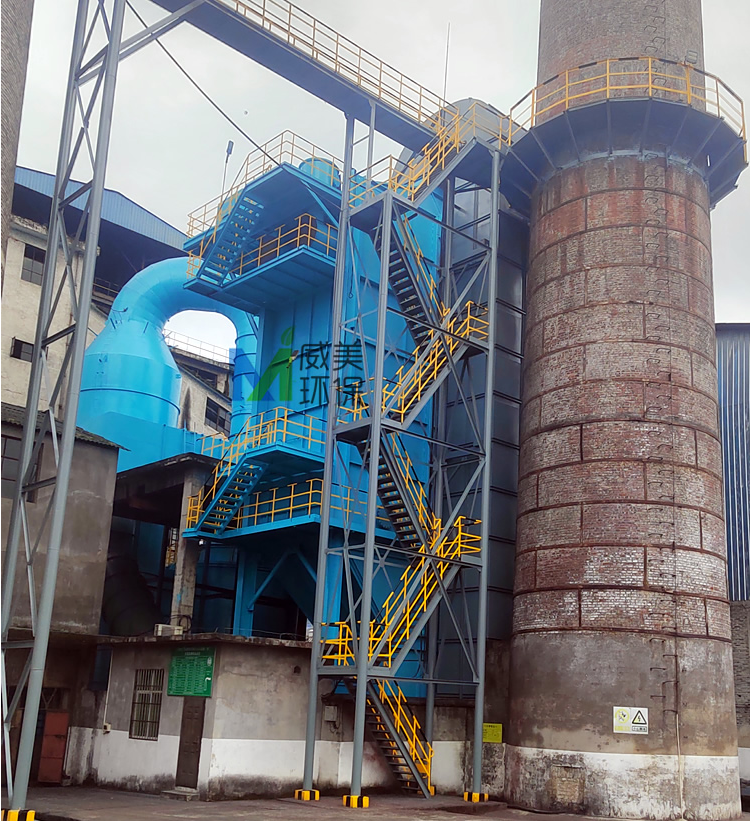
 Hebei Weimei's overhaul project of the wet electrostatic precipitator in a Yunnan sugar factory has been completed. Meeting environmental protection standards is an important part of the production line, and it is expected to play its due role in the upcoming sugar crushing season.

Overhaul Project of Wet Electrostatic Precipitator in a Sugar Factory

Overhaul Project of Wet Electrostatic Precipitator in a Sugar Factory


Construction Procedures for Glass Fl...
View Count:     2024-01-08

Prior to the glass flake anticorrosion construction of wet electrostatic precipitators, a detailed construction plan must be formulated as required, a safety agreement signed, and documents including material factory quality inspection reports, certificates of conformity, shipping lists and procurement contracts provided.

The glass flake anticorrosion construction procedures are as follows:

Sandblasting

Prior to sandblasting, impurities such as rust, oxide layers and oil stains shall be removed. Sandblasting shall be performed with quartz sand or iron ore using compressed air at a pressure of 6–8 kg/cm². The surface cleanliness after sandblasting shall meet or exceed the Sa2.5 standard specified in GB 8923-88, with a surface roughness of 50–80 μm. The ambient air humidity shall be < 85%. Areas without lining or with completed lining shall be protected to prevent damage from sandblasting.

Primer Coating

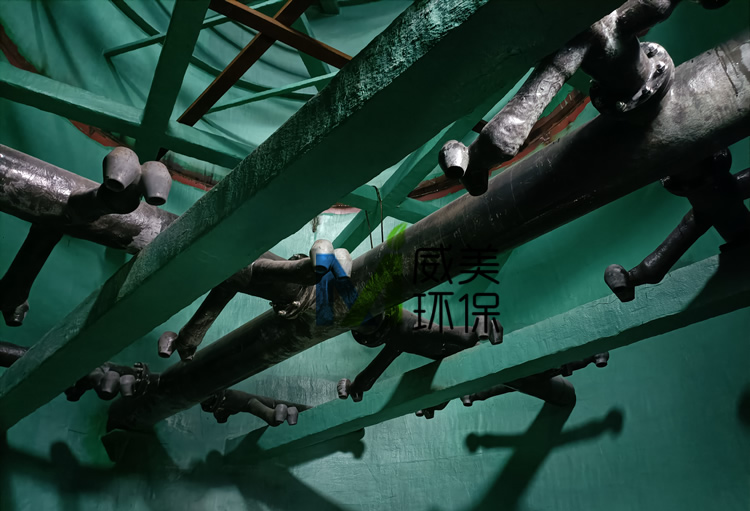
The primer shall be applied within 8 hours after sandblasting. The primer coating shall use uncolored vinyl ester resin, with curing agent added and thoroughly mixed in accordance with the specified ratio. Application shall be conducted with a roller to ensure uniform coating without missing spots or sagging.
First Glass Flake Layer Application

Glass flakes shall be mixed thoroughly with curing agent in the specified ratio. Application shall be performed using a trowel and roller to ensure uniform spreading. Simultaneously, lightly roll the surface with a roller dipped in a small amount of styrene to finish the coating, with a target average thickness of 1 mm.

Second Glass Flake Layer Application

Glass flakes shall be mixed thoroughly with curing agent and color paste in the specified ratio. Application shall be performed using a trowel and roller to ensure uniform spreading. Simultaneously, lightly roll the surface with a roller dipped in a small amount of styrene to finish the coating, with a target average thickness of 1 mm.

Inspection

  • Spark test (6000 V/mm)
  • Thickness test (≥ 2.0 mm)
  • Visual inspection

Top Coating

The topcoat material shall be mixed thoroughly with curing agent in the specified ratio. Application shall be conducted with a roller to ensure uniform coating without missing spots or sagging.

Construction Procedures for Glass Flake Anticorrosion of Desulfurization Towers

Construction Procedures for Glass Flake Anticorrosion of Desulfurization Towers


Wet Electrostatic Precipitator Proje...
View Count:     2023-12-09

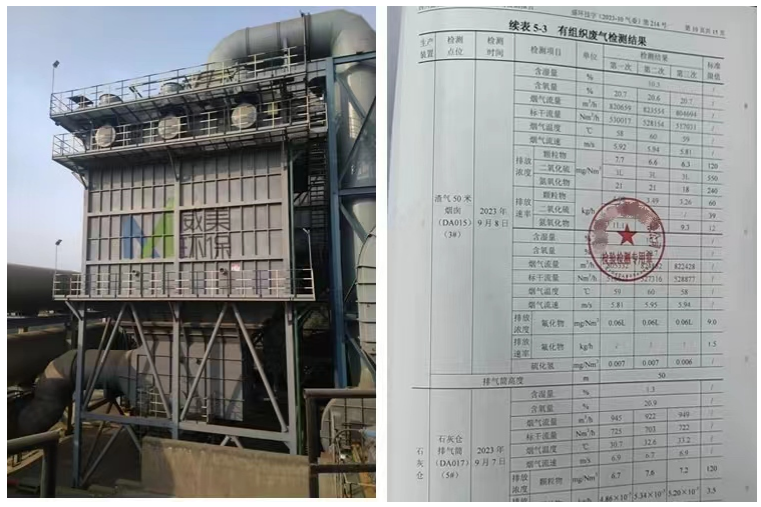
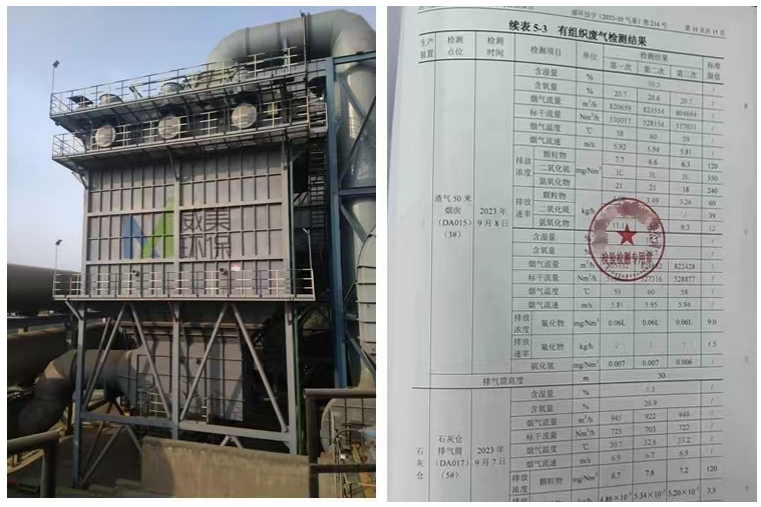
The flowing medium of this project is the saturated wet flue gas after the alkaline washing tower (wet air and acid or alkaline water vapor), including the flue gas from yellow phosphorus tail gas combustion and phosphorus distillation flue gas. The normal flue gas temperature ranges from 40 to 55℃, and the pH value is between 4 and 10. The flue gas contains acidic substances and dust such as fluorides, sulfur and phosphorus, or excess alkaline washing liquid, presenting strong corrosiveness. The treatment capacity of the wet electrostatic precipitator is 185,000 m³/h, with the normal inlet flue gas temperature of 40–55℃. When the inlet dust content is ≤ 60 mg/m³, the outlet dust concentration is required to be ≤ 15 mg/m³.

Operating Data of Wet Electrostatic Precipitator for Sludge Phosphorus Recovery and Comprehensive Utilization Project

Operating Data of Wet Electrostatic Precipitator for Sludge Phosphorus Recovery and Comprehensive Utilization Project

Construction site of the maintenance...
View Count:     2023-12-09

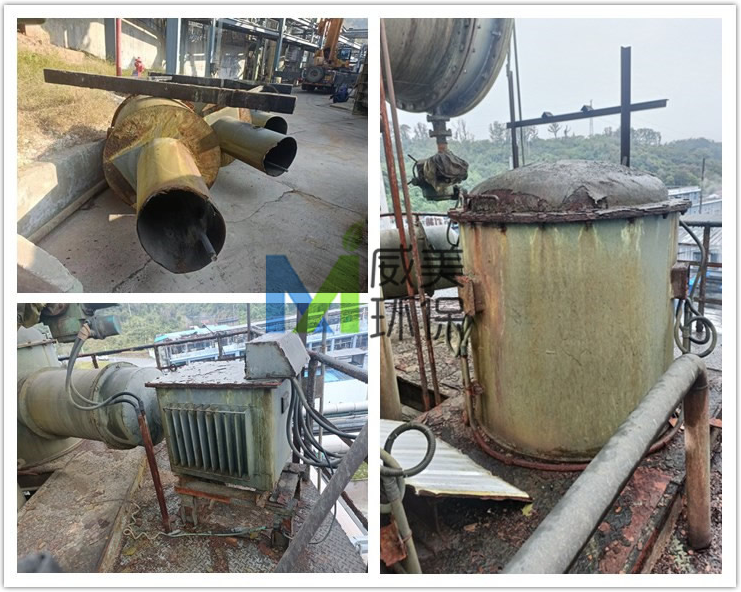
The flue gas treated by the phosphorus chemical wet electrostatic precipitator is desulfurized flue gas and water vapor. The flue gas contains highly corrosive media such as sulfur, phosphorus, arsenic, and fluorine, and the operating temperature is below 90°C.

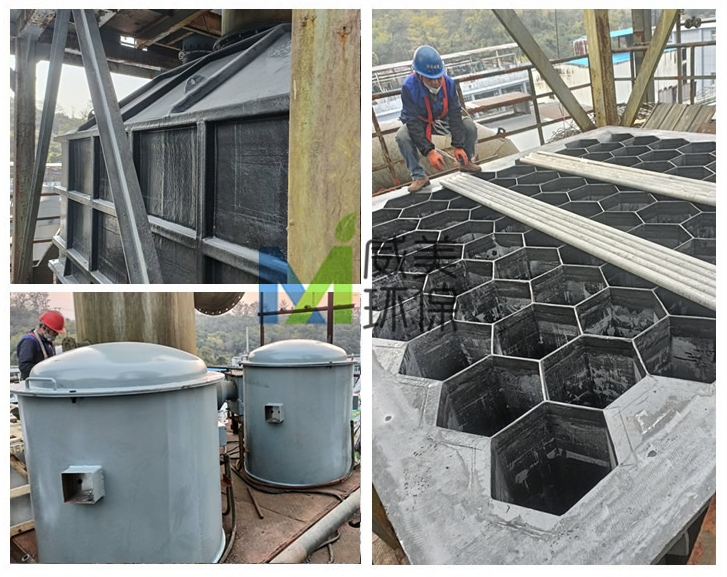
The girders and insulation boxes of the wet electrostatic precipitator that have been removed show severe corrosion as can be seen from the pictures.

The girders and insulation boxes of the wet electrostatic precipitator that have been removed show severe corrosion as can be seen from the pictures.

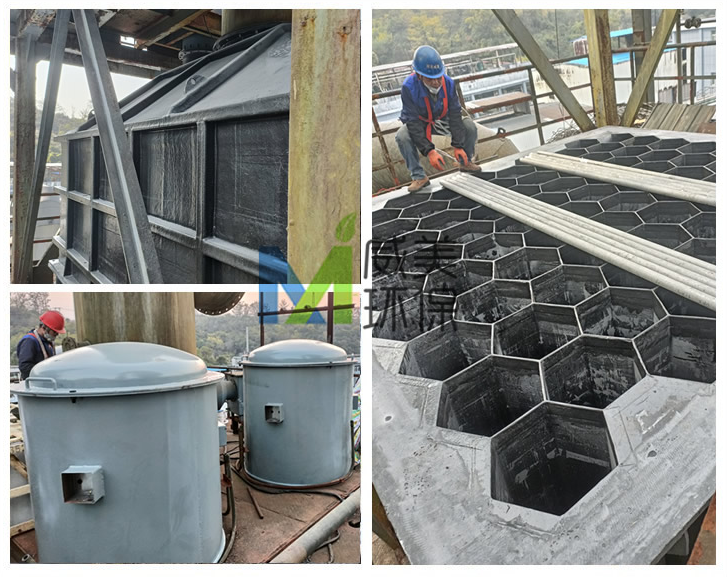
The disassembled anode system and shell of the wet electrostatic precipitator

The disassembled anode system and shell of the wet electrostatic precipitator

On-site hoisting and replacement of the anode system of the wet electrostatic demister

On-site hoisting and replacement of the anode system of the wet electrostatic demister

On-site of shell, insulation box and anode tube bundle for the maintenance project of wet electrostatic precipitator in phosphorus chemical industry

On-site of shell, insulation box and anode tube bundle for the maintenance project of wet electrostatic precipitator in phosphorus chemical industry

Operation of wet electrostatic preci...
View Count:     2023-12-09

Operation of wet electrostatic precipitator for cyanuric acid tail gas treatment in Hubei. The cyanuric acid tail gas mainly consists of mono- or mixed flue gases of dichloroisocyanuric acid and trichloroisocyanuric acid, and the flue gas generally does not contain flammable and explosive gases or substances. The inlet flue gas flow rate (operating condition) of this wet electrostatic precipitator is ≤60,000 m³/h, the inlet flue gas temperature is <60℃, the air flow direction is bottom-in and top-out, the negative pressure operating wind pressure is -3600Pa, and the dust removal efficiency is ≥90%.

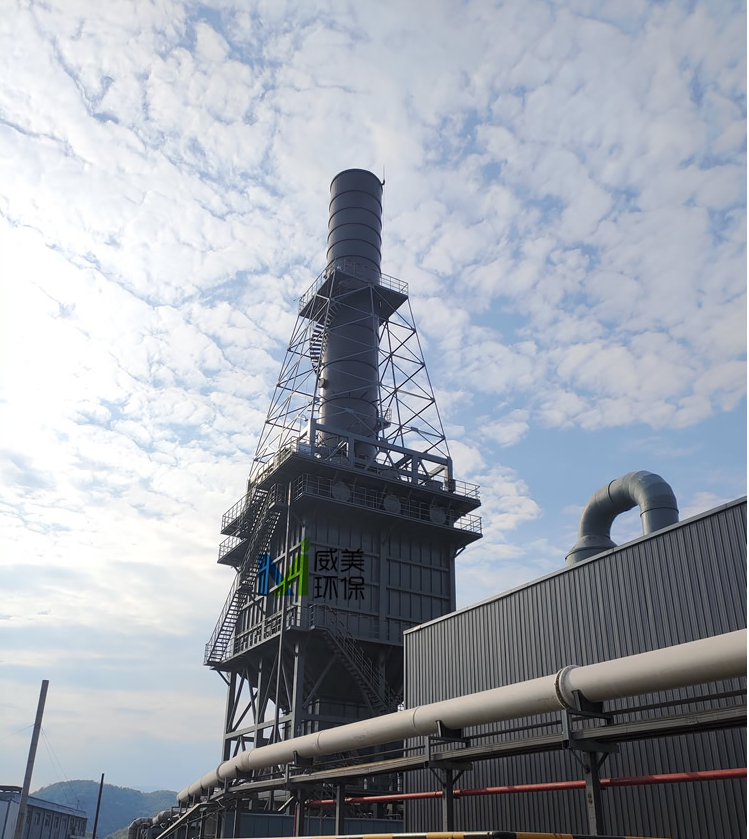
Wet electrostatic precipitator for cyanuric acid tail gas treatment

Wet electrostatic precipitator for cyanuric acid tail gas treatment

Operation of the Wet Electrostatic P...
View Count:     2023-12-09

The wet electrostatic precipitator for the waste incineration exhaust gas treatment project of Hebei Weimei Environmental Protection in Hainan has recently started commissioning and operation.

Hebei Weimei Environmental Protection is responsible for the process design, manufacturing, packaging and transportation, assembly, installation supervision, quality assurance, commissioning supervision, training and other technical services of the wet electrostatic demister equipment in the EPC general contracting project of the rotary kiln incineration system of the hazardous waste disposal center project.

Trial operation of the wet electrostatic precipitator for the Hainan waste incineration project

Trial operation of the wet electrostatic precipitator for the Hainan waste incineration project

 The flue gas volume treated by the wet electrostatic demister of this project (under standard conditions) is 43,270 nm ³/h. The flue gas processing volume (under working conditions) is 57,716 m³/h, the temperature is ≤72℃, and the inlet pressure for negative pressure operation is -5300Pa. The inlet dust concentration should be less than 20mg/Nm³, and the outlet dust concentration should be less than 5mg/Nm³. The dust removal efficiency should be over 80%, and the droplet removal efficiency should be greater than 90%. The material of the anode tube should be conductive fiberglass reinforced plastic. The cathode wire material should be 2205 duplex stainless steel. The shell steel structure, platform railings, ladders and other materials are made of Q235B material.

Previous 1 2 3 4 5 6 Next  Total 59 records, 10 records / per page, Total 6 Pages
Anode Tube Bag Dust Collector Wet Flue Gas Desulphurization Wet Electrostatic Precipitator